
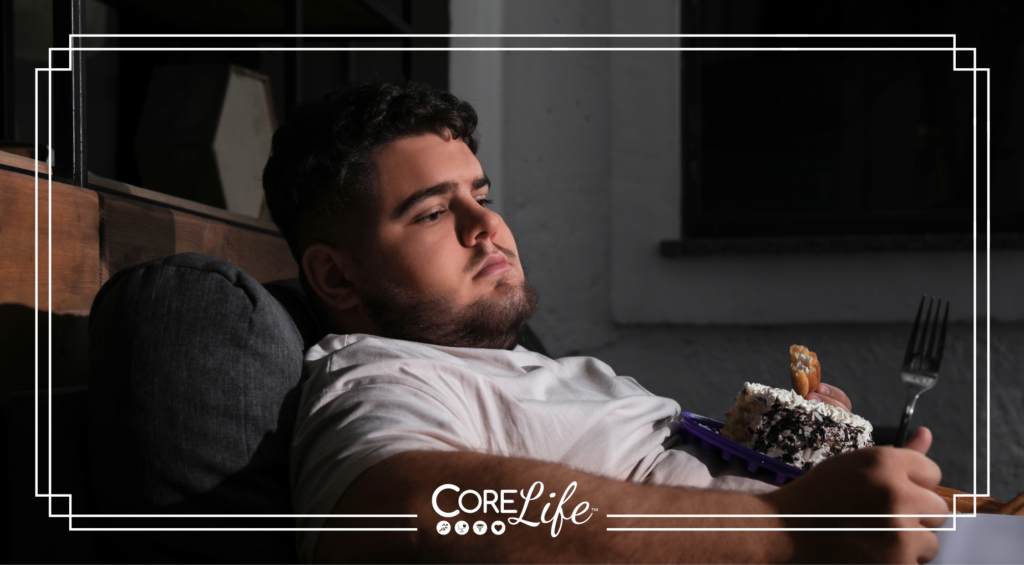
Obesity and depression often mirror each other—each making the other harder to live with. One changes how you move through the world; the other changes how you see it. Over time, they can blend together so closely that it feels impossible to know which one came first. But here’s the truth: this cycle isn’t permanent. Understanding how the two connect gives you the power to loosen their grip and break free from their chain.
The Science Behind the Connection
The link between obesity and depression goes deeper than mood—it’s rooted in how the body and brain communicate. Inflammation that comes with excess weight can disrupt brain chemicals that regulate how you feel. Elevated cortisol levels, the stress hormone, can heighten anxiety and push your body to crave quick comfort foods for relief.
Then there’s serotonin, the “feel-good” chemical that also helps manage your appetite. When serotonin drops, sadness and overeating can rise together, creating a frustrating loop. It’s a tangled web, but the good news is: untangling it starts with awareness and care.
The Emotional Weight of Living with Obesity
Beyond biology, the emotional load can be just as heavy. Living in a body that society often judges harshly can lead to deep feelings of shame or loneliness. Those emotions can affect your motivation, making even small acts of self-care feel out of reach.
But here’s the thing: your value has never been tied to a number or a size. Healing begins when you stop seeing your health as punishment and start seeing it as a partnership between your body, your emotions, and your future.
Every kind word to yourself, every walk you take, every moment of rest you allow—it all counts.
Rewriting the Story with Support and Compassion
Healing doesn’t come from perfection—it comes from connection and care. When depression and obesity intertwine, early emotional support can make all the difference.
Mental health clinicians play a key role in helping people unpack the “why” behind their habits, challenge negative thoughts, and rediscover self-worth. Through therapy, mindfulness, and personalized care, your mind and body can move together instead of against each other.
Breaking the Cycle, Reclaiming Yourself
The link between obesity and depression runs deep—where emotional pain can affect the body, and physical challenges can weigh on the mind. But understanding that connection is the first step to breaking it. Healing begins when you treat both your body and mind with patience, compassion, and care. CoreLife is here to help you treat both your mind and body better.
Our mental health clinicians help patients navigate the emotional side of obesity, addressing stress, negative thought patterns, and self-doubt while building resilience and confidence. Because no matter how long the cycle has lasted, you have the power to rise above it and begin again—with strength, courage, and hope.